News 17/04/2026
Sarah Stephens Inspires Change Through Lived Experience
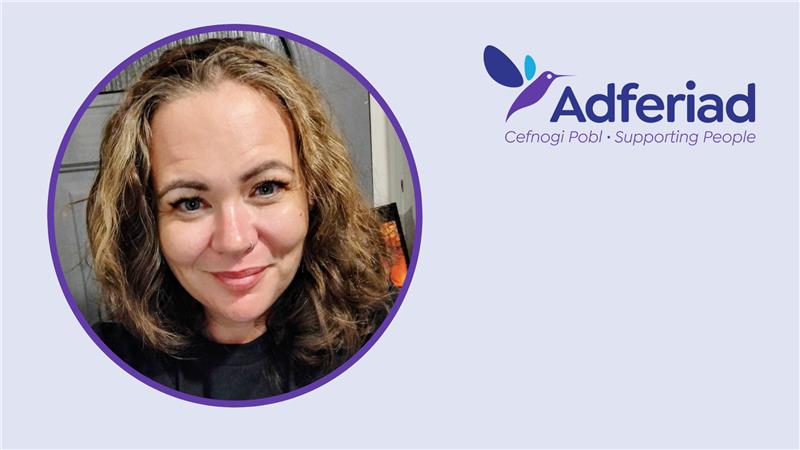
Sarah, a Caniad service user, wants to share her story because she knows how powerful lived experience can be. She hopes that by being open about what she’s been through, she can help others feel less alone, give people hope, and push for better mental health support.
When Sarah’s mental health first started to decline in 2014, she didn’t fully recognise it. Instead, she kept herself busy, mainly through volunteering and further learning. It gave her purpose and something to focus on.
“I was fine if I was busy,” she says. “I just wanted to help others. My drive was to be better for myself and my little boy, and I thought volunteering would help, which it did, for a while.”
Sarah threw herself into it. She loved the work, won awards for volunteering, and was eventually offered a job. On the outside, things looked like they were going well.
“I did so much, even when I was ill.”
But underneath, things hadn’t gone away. If anything, they were building up.
“The more I was doing well in my job, especially working with people with mental health difficulties, the more I started to realise I wasn’t really OK.”
After the birth of her second child in 2017, a health visitor had raised concerns about PTSD. Sarah went to her GP, but nothing was really followed up.
“They didn’t address it, so I just carried on and kept myself busy. The feelings were always there; I just tried to push them away.”
In December 2018, Sarah finally opened up about her struggles to her boss.
“They were really shocked, because I’d hidden it so well.”
Then COVID hit in March 2020. Working from home removed all the distractions she had relied on. Being in the house brought everything back to the surface.
“For the first time since the domestic violence relationship had ended, I had to sit with my emotions on my own.”
By April 2020, it had become too much, and she was signed off work. Later that year, she received a diagnosis of PTSD three years after first raising concerns about her mental health with her GP.
In May 2020, Sarah reached crisis point.
“I didn’t know what to do, so I called 999. I rang about ten times asking for help. Because my crisis wasn’t deemed a risk to my physical health, they would send an ambulance but didn’t take me to hospital. I was begging them.”
The police came at the end of June 2020, and the one officer later told her it was one of the most complex mental health situations he had seen, they said “she shouldn’t have been left for a few hours, let alone a few weeks.”
Sarah was in crisis for six weeks before being sectioned under the Mental Health Act.
“It felt like everything I had worked towards just came crashing down.”
While she was in hospital, things became even more difficult. Her partner and his family began legal proceedings regarding her children without her knowing.
“That completely shocked me as he and his family appeared to be so supportive about what I was going through.”
After being discharged from her section after 14 days, she returned home and was served legal papers the very next day. The court process lasted nine months, during which she was only allowed two hours a week of supervised contact with her youngest child.
“That was hard. I didn’t have time to process anything – I just had to get on with it.”
Sarah was also receiving therapy remotely at the time, due to COVID, but it didn’t feel helpful.
“I felt misunderstood. There was no real human connection, because they couldn’t see me.”
After everything, Sarah realised something needed to change, not just for her, but for others going through similar experiences. She wanted something that felt more human, where her voice and experience mattered, and where she could begin to rebuild hope for the future.
She joined Cardiff and Vale Recovery College in 2021, where she began to better understand mental health and her own experiences.
“It really helped me make sense of things.”
Through that, she got involved with Caniad, first online when it was in North Wales and then more actively when it came to Cardiff.
“Being involved with Caniad helped me so much. I’m grateful for the support I received.”
Through Caniad, Sarah felt listened to, understood, and valued.
Now, Sarah is involved in NHS Wales Performance & Improvement work in Wales, using her lived experience to help shape mental health services and give something back.
“If it wasn’t for that support from Caniad, especially Jason and Chloe, I wouldn’t be doing any of this work for NHS Wales Perfromance & Improvement.”
She’s passionate about what needs to change.
“I want more focus on prevention, not just crisis. And more support for the third sector; these people really do change lives.”
Looking back, Sarah can see how far she has come. Although things were once overwhelming, she is now using her experiences to support others and show that recovery is possible.
“There is still life after mental health struggles or addiction. Don’t be scared to share your story, it can give someone else hope.”